

In the precise world of plastic processing, achieving consistent product quality and optimizing material usage are paramount. Gravimetric blenders stand as critical equipment, offering unparalleled accuracy in proportioning various raw materials, including virgin resin, regrind, masterbatch, and additives. But with a range of options available, selecting the right gravimetric blender for your specific application can be a complex decision.
This comprehensive guide will walk you through the key selection criteria, helping you make an informed choice that enhances your production efficiency, reduces material waste, and ensures superior end-product quality.
Why Gravimetric Blending Matters: Precision and Profit
Before diving into selection, let’s briefly reiterate why gravimetric blenders are often the preferred choice over volumetric systems:
- Unmatched Accuracy: Gravimetric blenders measure materials by weight, offering far greater precision (often ±0.1% or better) than volumetric methods, which rely on volume. This is crucial for consistent color, mechanical properties, and cost control.
- Material Cost Savings: Precise dosing, especially of expensive masterbatch and additives, directly translates to significant material savings and reduced waste.
- Consistent Product Quality: By ensuring precise material ratios, gravimetric blenders help maintain batch-to-batch consistency, minimizing deviations in your final product.
- Automatic Compensation: Many gravimetric blenders automatically adjust for changes in material bulk density or flow characteristics, maintaining accuracy over time.
Key Factors When Choosing a Gravimetric Blender
The selection process for a gravimetric blender should consider several critical factors. Each aspect plays a vital role in ensuring the chosen machine aligns perfectly with your operational demands and long-term goals.
1. Material Characteristics
The desired output rate is a primary determinant of blender size and type.
- Hourly Throughput: Determine your maximum required kilograms or pounds per hour (kg/hr or lb/hr). This will dictate the size of the blenders’ weigh bins, feeders, and overall capacity.
- Batch vs. Continuous Blending:
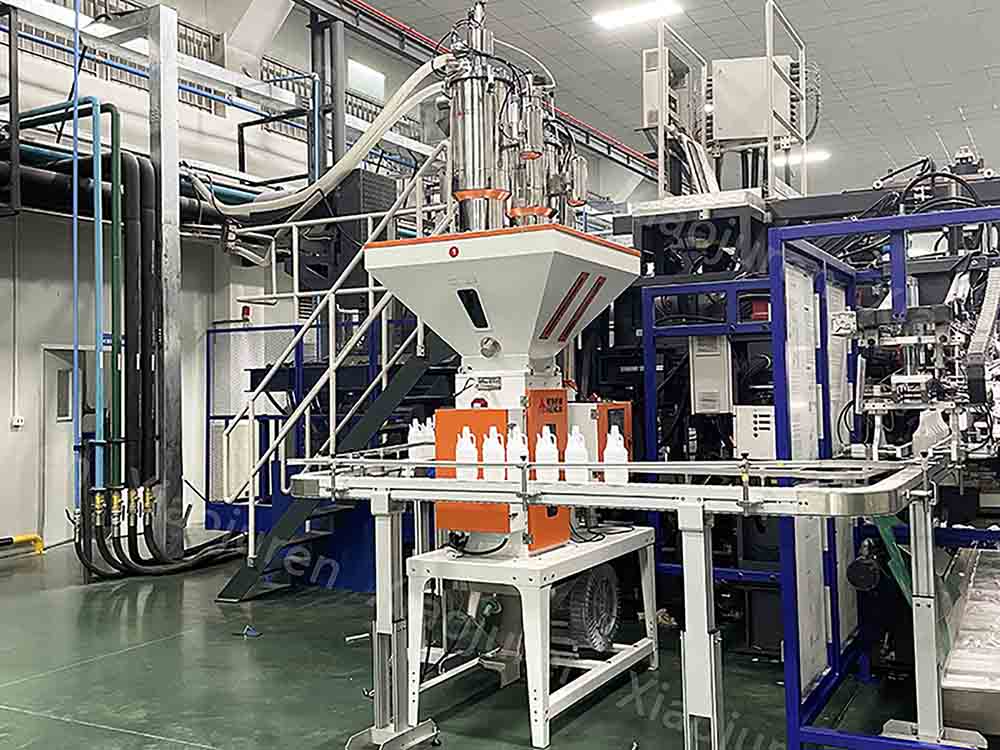
- Batch Gravimetric Blenders: Materials are weighed sequentially into a common weigh bin, then discharged as a single batch. Ideal for injection molding, blow molding, or processes where a consistent batch is needed. Offer high precision for each batch.
- Continuous Loss-in-Weight Blenders: Each material is continuously fed from its hopper, with load cells monitoring the weight loss to ensure precise flow rates. Best suited for continuous processes like extrusion, where a steady, homogeneous stream of blended material is required. Offer superior consistency over long runs.
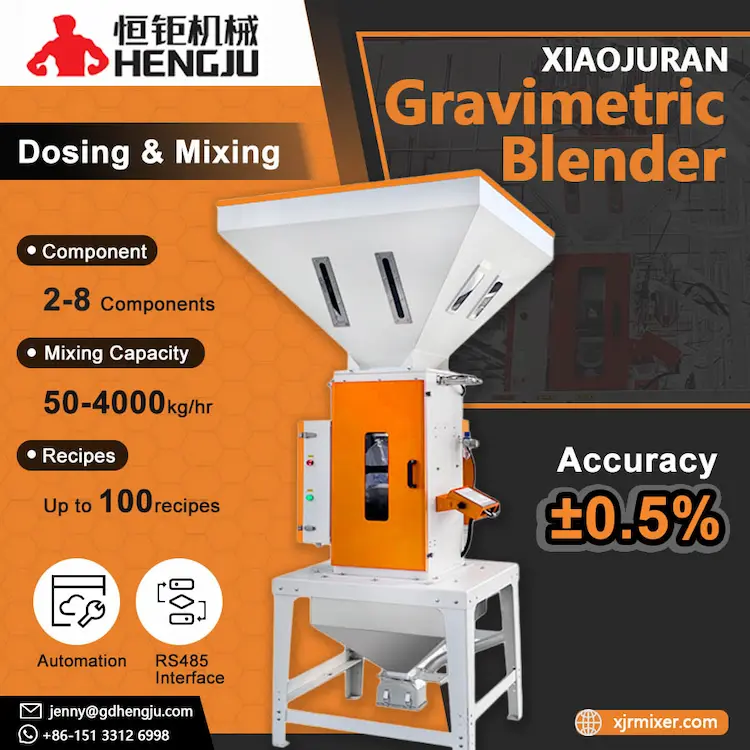
- Number of Components: How many different materials do you need to blend? Blenders are available with varying numbers of hoppers (e.g., 2-component, 4-component, up to 12+ components). Ensure the chosen model can accommodate all your current and future ingredient needs.
2. Throughput Requirements (Production Volume)
The desired output rate is a primary determinant of blender size and type.
- Hourly Throughput: Determine your maximum required kilograms or pounds per hour (kg/hr or lb/hr). This will dictate the size of the blenders’ weigh bins, feeders, and overall capacity.
- Batch vs. Continuous Blending:
- Batch Gravimetric Blenders: Materials are weighed sequentially into a common weigh bin, then discharged as a single batch. Ideal for injection molding, blow molding, or processes where a consistent batch is needed. Offer high precision for each batch.
- Continuous Loss-in-Weight Blenders: Each material is continuously fed from its hopper, with load cells monitoring the weight loss to ensure precise flow rates. Best suited for continuous processes like extrusion, where a steady, homogeneous stream of blended material is required. Offer superior consistency over long runs.
- Number of Components: How many different materials do you need to blend? Blenders are available with varying numbers of hoppers (e.g., 2-component, 4-component, up to 12+ components). Ensure the chosen model can accommodate all your current and future ingredient needs.
3. Industry & Application Specifics
Different plastic processing industries and applications have unique demands.
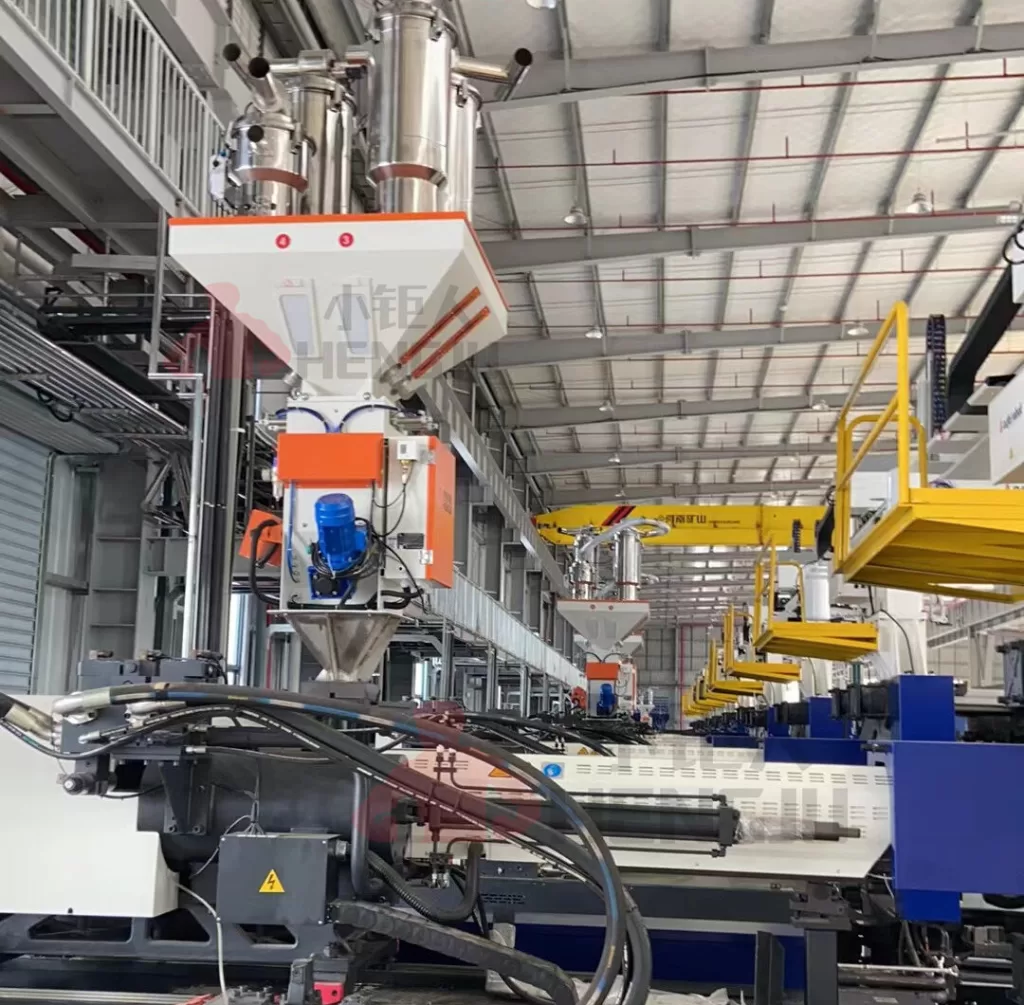
- Injection Molding: Often benefits from batch blenders due to their intermittent nature. Focus on fast batch cycles, precise color dosing, and the ability to handle regrind effectively.
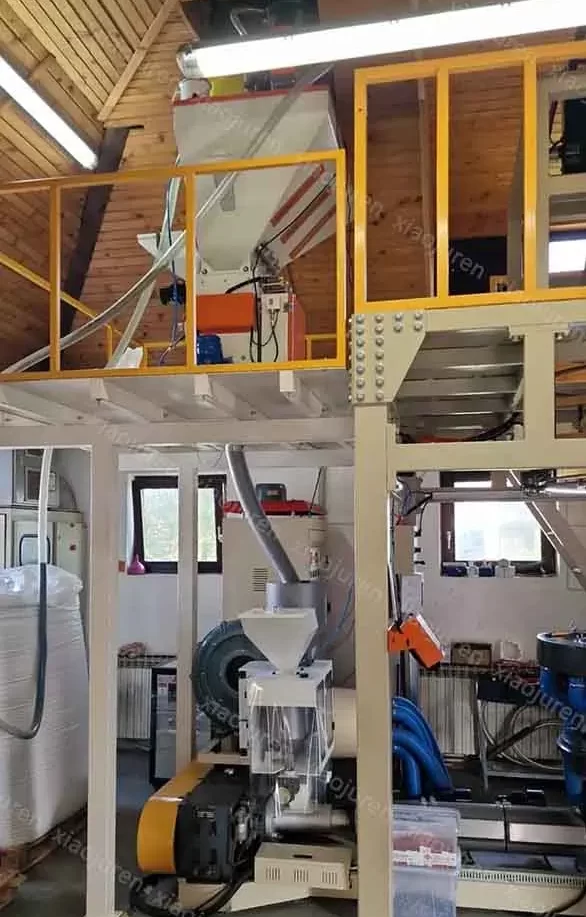
- Extrusion (Film, Sheet, Pipe, Profile): Typically requires continuous loss-in-weight blenders for consistent material flow to the extruder. Homogeneity over long periods is crucial for product quality.
- Blow Molding: Similar to injection molding, batch blenders are common, with an emphasis on color consistency and regrind integration.
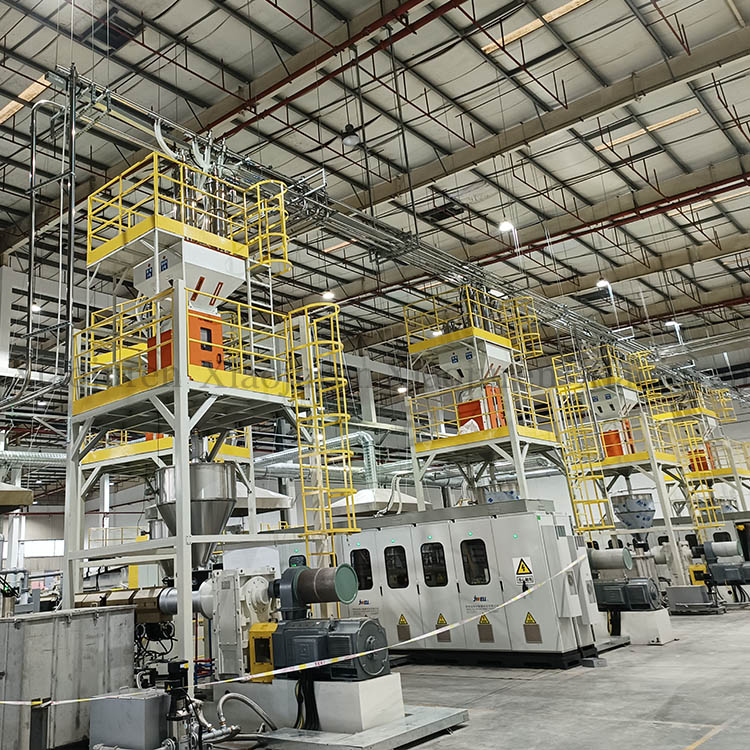
- Compounding/Pelletizing: May require high-throughput continuous blenders to accurately mix multiple ingredients before the material is compounded and pelletized.
- Specialty Applications (e.g., Medical, Automotive): Often demand the highest precision, traceability, and material segregation to meet stringent quality and regulatory standards. Look for blenders with advanced controls, data logging capabilities, and easy-clean designs.
4. Accuracy and Precision Requirements
While all gravimetric blenders offer high accuracy, the specific application may dictate just how precise you need to be.
- Dosing Tolerance: What is your acceptable percentage deviation for each component? Most gravimetric blenders guarantee ±0.1% for virgin and masterbatch. Some applications, especially with expensive or critical additives, might demand even tighter tolerances.
- Repeatability: The ability of the blender to consistently hit the target ratio over numerous cycles or long runs.
- Auto-Calibration/Self-Optimization: Advanced blenders feature intelligent software that constantly monitors and adjusts feeding rates to maintain accuracy, even as material properties or ambient conditions change.
5. Ease of Use, Maintenance, and Integration
Practical considerations are vital for long-term operational efficiency.
- User Interface (HMI): Look for an intuitive, multilingual touchscreen interface that allows for easy recipe creation, monitoring, and diagnostics.
- Cleaning and Material Changeover: Frequent material or color changes necessitate a design that allows for quick and easy cleaning without extensive disassembly. Removable hoppers, quick-release mechanisms, and self-cleaning functions are valuable.
- Footprint and Mounting: Consider whether the blender needs to be machine-mounted (throat-mounted), floor-mounted, or integrated into a central blending system. Ensure it fits your available space.
- Connectivity and Automation: Can the blender integrate with your existing plant management system (e.g., MES, ERP) or other auxiliary equipment? Features like OPC UA, Modbus TCP/IP, or Ethernet IP connectivity are important for Industry 4.0 readiness.
- Maintenance & Serviceability: Access to critical components for routine maintenance, availability of spare parts, and responsive technical support from the manufacturer are crucial.
6. Budget and Return on Investment (ROI)
While initial cost is a factor, focus on the long-term return.
- Initial Investment: Gravimetric blenders represent a significant investment, but the payback period can be surprisingly short due to material savings.
- Operational Costs: Consider energy consumption, compressed air usage, and maintenance costs.
- Return on Investment (ROI): Calculate the potential savings from reduced material waste (especially expensive additives), improved product quality (fewer rejects), and increased production efficiency. A reputable supplier can often help you with this calculation.
Making the Right Choice: Your Action Plan
- Define Your Needs: Clearly document your current and anticipated production requirements, including material types, throughputs, number of components, and desired accuracy.
- Research & Compare: Investigate different manufacturers and models. Download brochures, watch videos, and read technical specifications.
- Consult Experts: Reach out to manufacturers or experienced industry consultants. Share your specific requirements and ask for their recommendations.
- Request Demos & Quotes: If possible, arrange for a demonstration or visit a facility using the blender you’re considering. Obtain detailed quotes that include installation, training, and warranty information.
- Evaluate ROI: Work with your chosen supplier to calculate the potential return on investment.
By meticulously evaluating these factors, you can confidently select a gravimetric blender that not only meets your immediate production demands but also contributes significantly to your long-term operational efficiency, material savings, and product excellence. Investing in the right gravimetric blender is an investment in your company’s future success in the competitive plastics processing landscape.